Rubbish collection Carnaby Street tips for small businesses
Posted on 03/09/2026

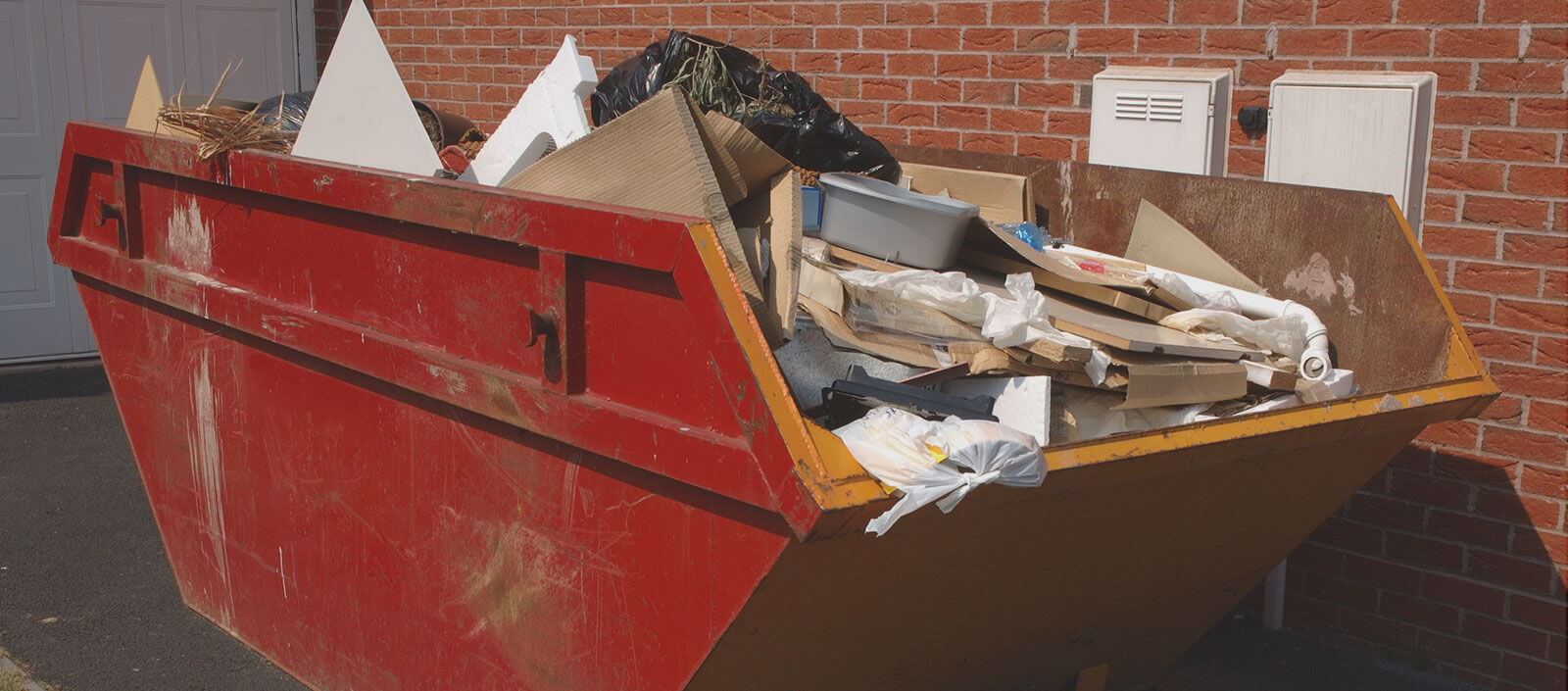
If you run a small business near Carnaby Street, rubbish can become one of those quiet problems that suddenly gets loud. One busy week of deliveries, one refit, one stock purge, and before you know it the back room is full, the frontage looks untidy, and staff are stepping around black bags like they're part of the decor. That is exactly why Rubbish collection Carnaby Street tips for small businesses matter: not just to keep things clean, but to keep operations smooth, customers comfortable, and costs under control.
This guide walks through what good rubbish collection looks like in a busy central London setting, how to set it up properly, where businesses usually go wrong, and which habits save time and money. It is written for real day-to-day use, not just theory. And yes, there are a few corners here where a sensible bit of planning will save you a lot of grief later.
Why Rubbish collection Carnaby Street tips for small businesses Matters
Carnaby Street sits in a part of London where pace matters. Footfall is high, storage space is tight, and many businesses operate in shared buildings or narrow service areas. That changes everything about rubbish collection. You cannot simply pile waste somewhere and hope it disappears later. It has to be managed with care, timing, and a bit of discipline.
For small businesses, the stakes are bigger than people sometimes think. Poor waste handling can make a shopfront look neglected, create odours, attract pests, or cause staff to waste time making awkward trips out the back with bags and boxes. If you serve customers directly, presentation matters. If you work behind the scenes, interruptions matter. Either way, rubbish is rarely just rubbish.
There is also the commercial side. Many businesses end up paying more than they should because they treat waste as an afterthought. They order an urgent clearance, accept vague quotes, or mix recyclable material with general waste. That usually leads to avoidable costs. A little structure goes a long way.
Expert summary: for Carnaby Street businesses, good rubbish collection is really a mix of timing, sorting, access planning, and reliable collection routines. Get those four pieces right and everything feels easier.
How Rubbish collection Carnaby Street tips for small businesses Works
In practical terms, business rubbish collection usually follows a simple pattern: waste is separated on site, stored safely, collected at an agreed time, and taken to an approved facility for sorting, recycling, or disposal. The simple version sounds easy. The reality is a bit messier, especially in central London.
Small businesses around Carnaby Street often generate mixed waste streams. A clothing boutique may have cardboard, hangers, damaged stock packaging, display materials, and occasional old fixtures. A cafe may produce food waste, cardboard sleeves, glass, general waste, and end-of-day sweepings. A salon may deal with product packaging, broken furniture, and the odd appliance. Different waste, different handling.
The best routine normally starts with three questions:
- What types of waste do we produce each week?
- Where will it be stored before collection?
- How quickly does it need to leave the premises?
Once those are clear, you can match the right collection method to the business. For some, a scheduled service is enough. For others, especially if there is frequent stock turnover or refurb work, a more flexible service is better. If you are clearing out furniture, shelving, or larger items, a specialist route such as furniture disposal in Soho may be more useful than a standard bag collection.
One thing people often miss is access. In areas like Carnaby Street, collection vehicles may face tight turning points, loading restrictions, or short windows for safe pickup. That means timing matters nearly as much as the service itself. A good collection plan accounts for the street, the building, and the way your team actually works.
Key Benefits and Practical Advantages
There are obvious benefits, like a cleaner workplace. But the real value of disciplined rubbish collection is broader than that.
- Better customer impression: a tidy frontage and clean back-of-house area quietly support your brand.
- Less staff disruption: staff spend less time moving bags around or improvising storage.
- Lower contamination risk: separating recyclables improves the chances they are handled correctly.
- Reduced pest and odour issues: especially important for food, hospitality, and beauty businesses.
- Smoother operations: clear collection routines reduce last-minute panic, which, let's face it, nobody enjoys on a Friday afternoon.
- Better cost control: regular, well-planned collection often works out more efficiently than repeated emergency clearances.
There is also a less visible benefit: peace of mind. When your rubbish is handled properly, the whole site feels calmer. That matters more than people admit. A cluttered stock room can make a small business feel busier and more stressful than it really is.
If your business also has recurring waste from office or fit-out work, it can be worth comparing general business collection with more targeted support like office clearance in Soho or even commercial waste removal in Soho for ongoing needs.
Who This Is For and When It Makes Sense
This topic is relevant for more than just shops. Small businesses near Carnaby Street come in many forms, and each one produces different waste at different speeds.
You will benefit from a more deliberate rubbish collection plan if you run any of the following:
- retail stores with packaging and stock waste
- cafes, bakeries, bars, or hospitality venues
- salons, clinics, and service businesses
- small offices or studios
- pop-up retail units
- businesses doing regular mini-refits or seasonal changes
It makes sense to tighten up your collection process when waste starts to appear in visible places, collection days become inconsistent, or staff are unsure what goes where. It also makes sense before peak trading periods. In the run-up to busy shopping weeks, a few extra boxes can become a real nuisance. That is when a simple, well-timed service can save the day.
If your business is located in or around the wider Soho area, local context matters too. Street access, noise, loading times, and shared buildings can all shape the right approach. For a broader view of the area and how it functions commercially, see Soho's diverse mix of shops, pubs and venues.
Step-by-Step Guidance
If you want a collection system that actually holds together, do it in stages. Rushing the setup usually leads to hidden mess later. Here is a practical sequence that works well for small businesses.
- Audit the waste you produce. Spend one normal trading week noting what gets thrown away. Include cardboard, packaging, food waste, broken fixtures, office paper, and any unusual items.
- Separate waste streams. Use different bags, bins, or cages where practical. Even basic separation can help reduce confusion and contamination.
- Check storage space. Decide where waste will sit safely before collection. Make sure it does not block customers, emergency routes, or staff access.
- Choose the right collection frequency. Daily, weekly, or ad hoc? The answer depends on footfall, waste volume, and how much room you have.
- Match the service to the load. Light waste and bags may need a different arrangement from bulky items or occasional clear-outs.
- Set a collection window. Agree a time that works with deliveries, opening hours, and the local street environment.
- Train staff on basics. People need to know what goes where, what must not be mixed, and who to tell when bins fill up.
- Review after a month. Look at overflows, missed pickups, and any recurring issues. A small adjustment can make a big difference.
That final review is often the bit that gets skipped. Shame, really, because it is where the real improvement happens.
If you are dealing with mixed items, such as broken display units or stockroom furniture, it may help to pair your waste routine with furniture removal in Soho so larger items do not linger for weeks.
Expert Tips for Better Results
Here is the stuff that tends to make a genuine difference in practice, not just on paper.
Keep one "problem area" under control first
Do not try to redesign every waste point at once. Start with the place where rubbish builds up fastest. For many businesses, that is the stockroom or rear service area. Fix that, and the rest usually becomes easier.
Use smaller, more frequent handling points
In tight spaces, huge bins can be more trouble than they are worth. Smaller, more frequent collections often keep the business tidier and reduce the chance of overflow. You do not need to be a packaging wizard to see the logic there.
Build collection timing around trading rhythm
A collection at the wrong time can be a nuisance. A collection just before a rush, or during deliveries, can slow everything down. In our experience, the best plan fits the business day rather than interrupting it.
Keep bulky items separate from bagged waste
That helps the team, helps the collectors, and reduces the risk of damage in narrow back areas. It also makes it easier to arrange a one-off bulky collection when needed.
Have a simple escalation rule
If waste spikes unexpectedly, staff should know exactly what to do. One person should be responsible for deciding whether to call for an extra pickup, hold waste securely until the next slot, or arrange a larger clearance.
And a small note from real life: a tidy back alley is not glamorous, but it can change the whole mood of a place. You can almost hear the difference. Less clatter, less panic, fewer "where do I put this?" moments.

Common Mistakes to Avoid
Most waste problems are not dramatic. They are just annoying enough to keep repeating. Here are the most common mistakes small businesses make around Carnaby Street.
- Leaving collection to the last minute. This usually leads to rushed decisions and higher costs.
- Mixing everything together. It makes sorting harder and can reduce recycling efficiency.
- Underestimating bulky waste. One broken cabinet can take up more space than a week of bagged rubbish.
- Ignoring access constraints. If the vehicle cannot safely reach the collection point, the plan falls apart.
- Not briefing staff. Waste rules only work if people actually follow them.
- Using unclear quotes. Vague pricing can lead to unpleasant surprises later. If that is a concern, the article on avoiding hidden charges in rubbish removal quotes is worth a look.
- Forgetting about seasonal surges. Holidays, sales, and refurb periods all create extra waste.
Probably the biggest mistake of all? Assuming "we'll sort it later" is a system. It is not. It is a delay. And delays, with rubbish, tend to become smells, clutter, and extra work.
Tools, Resources and Recommendations
You do not need fancy systems to manage rubbish well. A small business usually does better with clear habits than with complicated tools. That said, a few practical aids can help.
- Colour-coded bags or labels: simple visual cues reduce mistakes.
- Written waste map: a one-page guide showing where waste goes and who handles it.
- Collection calendar: keeps everyone aware of pickup days and one-off clearances.
- Basic scale or volume check: useful for judging whether waste levels are rising over time.
- Staff briefing sheet: handy for new starters or temporary staff.
If you manage a workspace that changes frequently, you may also need occasional support for broader clear-outs. In that case, services such as waste removal in Soho or rubbish collection in Soho can fit alongside your routine system.
For businesses handling heavier items, take a moment to match the service type to the material. For instance, builders or contractors doing shop upgrades will usually need a different approach from a fashion retailer clearing stockroom packaging. If you are handling refurbishment debris, builders waste disposal in Soho may be more relevant. If you are dealing with appliances, white goods and appliance disposal in Soho is the better fit.
Law, Compliance, Standards, or Best Practice
For any business, waste handling is not just an operational issue; it is also a compliance issue. The details depend on the waste type and the business model, so it is sensible to treat this area carefully rather than casually.
In the UK, businesses are expected to manage their waste responsibly, keep it separate where required or practical, and use an authorised waste carrier. You should also keep records where needed and avoid handing waste to anyone who cannot show proper compliance. That part matters a lot. If the wrong person takes your waste, the responsibility can come back to you, which is never a nice surprise.
Best practice usually includes:
- checking that the collection provider is properly registered to carry waste
- keeping waste documentation and invoices where appropriate
- storing waste safely so it does not create hazards
- separating recyclable material from general waste where practical
- making sure staff know not to dump waste in unauthorised locations
For businesses that want to understand carrier responsibility in more detail, the page on waste carrier licence and compliance gives useful reassurance. And if sustainability is part of your brand, the guidance on recycling and sustainability is also worth exploring.
Do not overcomplicate this, though. Compliance should feel organised, not intimidating. The aim is simple: keep waste moving, keep people safe, and keep records straight enough that you can sleep well at night.
Options, Methods, or Comparison Table
Different businesses need different collection methods. Here is a straightforward comparison to help you decide what makes sense.
| Method | Best for | Strengths | Limitations |
|---|---|---|---|
| Regular scheduled collection | Shops, cafes, salons, offices | Predictable, tidy, easy to plan around | Less flexible if waste spikes suddenly |
| Ad hoc pickup | Businesses with occasional waste surges | Flexible and useful for one-off needs | Can be less cost-efficient if used too often |
| Bulky item removal | Refits, stockroom clear-outs, furniture replacement | Removes large items quickly | Needs space and access planning |
| Full business clearance | Closures, relocations, major reorganisations | Clears everything in one go | More disruptive than routine collection |
One useful rule of thumb: if the waste is regular and light, build a routine. If the waste is irregular but heavy, use flexible support. If the waste is mixed and messy, separate it before you call anyone in. That saves time and usually saves money too.
Case Study or Real-World Example
Picture a small independent retailer near Carnaby Street. The shop sells accessories and gifts, with fresh stock arriving twice a week. At first, waste is manageable. Then a seasonal promotion starts, boxes pile up, broken packaging lingers in the stockroom, and a display refresh adds a few unwanted fixtures. Nothing catastrophic. Just enough to become a nuisance.
Staff begin stacking cardboard near the rear door because there is nowhere else to put it. Bags get overfilled. The morning team spends time moving things out of the way before opening. Customers never see the mess directly, but they do feel the effect: clutter at the back, less time at the front, more stress all round.
The business changes three things:
- It separates cardboard, general waste, and bulky items more clearly.
- It adds a routine pickup slot for the busy weeks.
- It sets a simple rule that anything too large for a bag gets logged immediately rather than left for later.
The result is not dramatic, which is exactly the point. Waste stops being a constant interruption. Staff work faster. The back room breathes again. And the team stops having the same conversation every Thursday morning, which honestly is half the battle.
For a business in a packed central London location, that sort of improvement is very real. Quiet improvements matter. They compound.
Practical Checklist
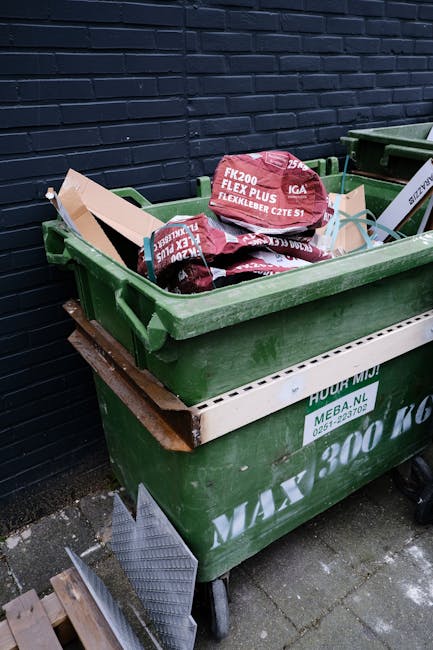
Use this checklist before your next collection review.
- Have we listed every waste type we produce?
- Do staff know where each type should go?
- Is our storage area tidy, safe, and easy to access?
- Are collections timed around trading hours and deliveries?
- Do we have a plan for bulky or unexpected waste?
- Are recyclable materials separated where practical?
- Have we checked that the carrier is compliant?
- Do we know what to do if waste volume suddenly increases?
- Are we keeping records where needed?
- Have we reviewed whether the current setup still suits the business?
If you can tick most of those boxes, you are probably in decent shape. If not, no drama. Start with the first two or three that cause the most friction and build from there.
For businesses looking for a dependable starting point, it can help to review the broader services overview before choosing the most suitable option for ongoing needs.
Get a free quote today and see how much you can save.
Conclusion
Good rubbish collection around Carnaby Street is not about perfection. It is about keeping waste controlled enough that your business can run well, look professional, and stay on the right side of practical compliance. When collections are planned properly, the whole operation feels lighter. Less clutter. Less panic. Fewer awkward surprises.
The best approach is usually the simplest one: understand your waste, store it safely, choose the right collection rhythm, and review what is working. Do that consistently, and you will avoid most of the headaches that catch smaller businesses out. Not every solution has to be clever. Some just need to be steady.
And if you get it right, you will notice the difference on a Monday morning when the back area is clear, the bins are under control, and the day starts without that familiar little sigh. That is a good feeling, to be fair.